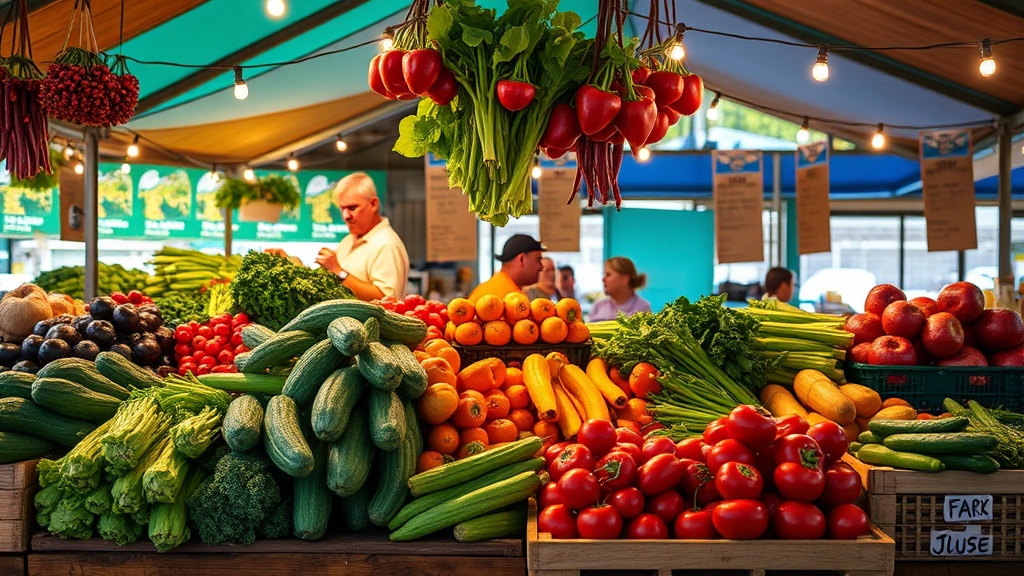
Finding the Best Seasonal Produce at Local Pitt Meadows Farm Stands

You’re driving down Lougheed Highway on a sunny Saturday morning, and suddenly you see a hand-painted sign: "Fresh Strawberries Today!" It’s a tempting sight, but you want to know if they’re actually worth the detour or if you'll end up with mushy fruit. This guide explains how to identify peak-season produce, what to look for at local farm stands around Pitt Meadows and Maple Ridge, and how to time your visits to get the highest quality food for your kitchen.
The Fraser Valley is one of the most productive agricultural regions in Canada. Because our microclimate is so specific, the window for certain crops—like stone fruit or heirloom tomatoes—can be incredibly short. If you miss that two-week window, you're stuck with grocery store alternatives that don't taste nearly as good.
What is the best time to visit farm stands in Pitt Meadows?
The best time to visit is early in the morning, ideally between 8:00 AM and 10:00 AM, to ensure you get the freshest pick and the widest selection.
Most local growers in the Pitt Meadows and Maple Ridge area stock their stands early. If you show up at 2:00 PM on a hot July afternoon, you might find the berries are already sold out or have started to wilt under the sun. I’ve personally seen the best berry selections disappear by noon during peak summer weeks.
Timing isn't just about the time of day; it's about the season. Here is a rough breakdown of when you can expect certain items in our local area:
- Late Spring (May/June): Asparagus, rhubarb, and the first wave of strawberries.
- Summer (July/August): Peaches, nectarines, blueberries, and vine-ripened tomatoes.
- Early Autumn (September): Apples, pears, and various winter squashes.
If you find yourself needing a caffeine boost before your farm run, you might want to check out some of the best hidden coffee spots in Pitt Meadows to fuel your morning. It makes the drive much more enjoyable.
How can I tell if produce is actually fresh?
Look for vibrant color, firm texture, and a scent that matches the fruit's natural aroma—avoid anything with soft spots or a dull appearance.
When you're standing at a wooden crate in a roadside stand, don't just grab the first thing you see. Use your senses. For example, a peach should smell sweet and fragrant around the stem; if it smells like nothing, it isn't ready. If you're buying berries, look for a deep, uniform color. A strawberry with white or green near the top is far from ripe and won't sweeten up on your counter.
Here is a quick cheat sheet for checking quality on the fly:
| Produce Type | What to Look For | Red Flag |
|---|---|---|
| Berries | Glossy, firm, deep color | Visible mold or juice leakage |
| Stone Fruit | Slight give when pressed | Bruising or shriveled skin |
| Leafy Greens | Crisp, bright, no wilting | Yellowing edges or slime |
| Tomatoes | Heavy for their size, bright | Cracks or soft spots |
It's also worth noting that "ugly" produce is often the best. A slightly misshapen heirloom tomato is often much more flavorful than a perfectly round, commercially grown one. Don't let a weird shape scare you away from a great deal.
How much does local produce cost compared to grocery stores?
Local produce prices fluctuate based on the harvest-to-market ratio, but you'll often find better value in volume and flavor than at a supermarket.
This is the part where people get hesitant. You might see a pint of berries for $6.00 at a farm stand and think, "I can get two pints at the big-box store for that price." That's true. But you aren't just paying for the fruit; you're paying for the fact that it was picked yesterday—maybe even this morning. The nutritional density and the sugar content in local BC produce are significantly higher because the fruit is allowed to ripen on the vine rather than in a shipping container.
According to the Canadian Science Pathways (and general agricultural standards), the nutrient profile of produce decreases the longer it spends in transport. By buying local in Pitt Meadows, you're getting the most nutrient-dense version of that food.
A few tips for budgeting your farm visits:
- Buy what's abundant: If there's a massive harvest of zucchini, the price will likely be lower.
- Go in the "off" hours: Sometimes, towards the end of the day, growers might offer a discount on remaining stock to avoid hauling it back.
- Bring cash: While more stands are accepting digital payments now, many smaller operations still prefer cash or local bank transfers.
I've found that buying in bulk (like a whole flat of berries) is actually more economical if you plan to freeze them for winter smoothies or jam. It's a much better way to preserve the season's bounty.
Understanding Seasonal Availability
The agricultural cycle in British Columbia is quite predictable once you learn the rhythm. You shouldn't expect to find great peaches in May, and you won't find good corn in October. It's a common mistake to go looking for something out of season and end up disappointed.
If you want to ensure you're getting the best quality, I always recommend checking the BC Government's agricultural resources or local farm directories. This can give you a better idea of what the regional focus is for the current month.
One thing to keep in mind: weather affects everything. A particularly wet spring in the Fraser Valley can delay the strawberry season or impact the quality of the leafy greens. If you see a stand that looks a bit sparse, it might just be a bad weather year for that specific crop. Don't be afraid to ask the grower—they are usually incredibly knowledgeable and happy to chat about what's coming next.
When you're out and about, remember that these stands are often small, family-run operations. A friendly conversation goes a long way. I've often had the best luck finding the "secret" gems—the extra-sweet heirloom varieties—simply by asking, "What's looking particularly good today?"
It's a different way of shopping. It requires a bit more patience and a bit more planning than a quick trip to the supermarket, but the difference in your cooking—and your health—is noticeable. Whether it's a handful of fresh basil for your pasta or a basket of local cherries, the quality is worth the effort.
Steps
- 1
Research Seasonal Calendars
- 2
Check Social Media Updates
- 3
Visit During Peak Morning Hours
- 4
Bring Reusable Bags and Cash